







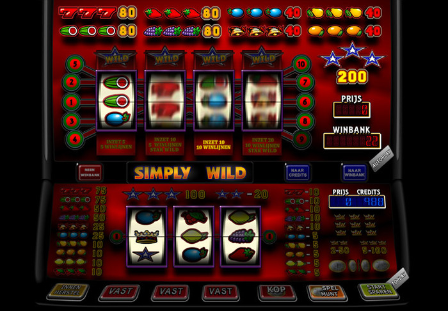
background

Simply Wild Free Play In Netherlands

Play the demo mode of Simply Wild in Netherlands, test features, and calmly determine your stake before using real money.

Simply Wild
Simply Wild

Simply Wild Free Online - How The Play Mode Works

The free play mode is intended to get to know the game without depositing a balance. You see the same reels, symbols, and basic functions, but you use play credit that is only for practice. That sounds simple, but it saves a lot of doubt: you can try buttons, adjust the pace, and understand what happens when a bonus moment occurs.

Imagine you only have five minutes and mainly want to check if this game suits you. You open the lobby, start the play mode, and do a few test rounds to feel the rhythm. Usually, you quickly notice if you like it: some players like fast rounds, others prefer to calmly look at the payout information and feature explanations first.

What you often see in 2026 is that platforms use the practice mode as a “first step” in the player journey. You start by testing, make notes about what appeals to you, and only then decide if you want to play with real money. This also helps to act less impulsively, especially if you are prone to quick decisions.

All promotional incentive structure is clearly stated in writing and/or via electronic means in an easily understood manner. All codes are accompanied by an explanation of what the code is for, who is eligible to use the code, and how it should be used. As such, players are less likely to be confused about what is required of them in order to receive a reward and how the reward will be applied after receiving it. The promotional incentives provided to participants provide them with time to become familiar with the gaming system's mechanics, their interface, and progress, before deciding how deeply they wish to become involved with this platform. Therefore, players are encouraged to participate in an informed manner, rather than being pressured or tempted to act quickly.

free image 1
Simply Wild

Top casinos for playing Simply Wild — current list

ALF Casino
ALF Casino
Mafia Casino
Mafia Casino
LeoVegas
LeoVegas
Simply Wild Betway
SG Casino
Simply Wild Betano
Retro Bet
Simply Wild

Free Simply Wild - When Practice Helps Most

Practice is especially useful if you want to answer two questions: “Do I understand the features?” and “Does this fit my budget style?” Instead of guessing based on feeling, you can test purposefully. For example, try different bet levels (within practice mode) and see how often features appear, how long sessions feel, and if you understand the symbol logic.

If you've previously played a game that felt too busy or too slow, you can be sharp here immediately. Imagine that you normally quit after ten minutes because you don't feel any structure. In practice mode, you can give yourself a short checklist: first read the game info, then twenty spins, then one test with a higher bet, and only then decide if it “clicks.”

One more thing: practice is also a good way to train your own limits. Many players think that limits only become important with real money, but the behavior arises earlier. If you already notice in practice mode that you keep saying “just one more time,” that's a signal to plan more strictly with time and budget later.

free image 2
Simply Wild

Simply Wild Play Free - From Start To First Spin

Don't start by clicking randomly. A short preparation prevents you from having to look back later at what you just saw. Open the game, first look at the bet buttons, and check if there are settings for speed, turbo, sound, and animations. You can often make the game calmer with these, so you can better see what's happening.

Imagine you're playing on your phone and your screen quickly fills with animations. Then it's smart to first reduce the speed and maintain an overview. Many players do the exact opposite: they put everything on turbo and then don't understand why a feature does or doesn't appear. Starting calmly usually leads to faster learning.

When you're ready, do a short test series. Don't just focus on “win or lose,” but on information: which symbols appear often, how is a combination counted, and what is the sequence of events during a bonus moment. That's the core of practicing.

Choose Game Variant And Set Bet

First, choose how you want to test: do you mainly want to understand the basic rounds, or do you want to see how the special features behave? Set your bet at a level you would realistically choose later. In a practice mode, it's tempting to go extremely high immediately, but you learn little from that if you normally play lower.

If in doubt, do it in steps. Imagine that you usually play with small amounts and mainly want longer sessions. Then you first test with a low bet, then a small increase, and you note what changes: does the pace increase, do you lose track faster, or do you notice little difference? This way, you make practicing a real decision moment, not a random demo.

Also pay attention to practical things: does autoplay work the way you want it to, can you pause, and do you clearly see what your last round did? These kinds of details determine whether you play relaxed later or constantly have to correct.

Check Game Rules And Features In Advance

Read the game information as if you are setting something up, not as if you are reading a novel. Look at the meaning of the main symbols, how features are activated, and what happens with special combinations. You don't have to remember everything, but you do want to understand what to look for during your test series.

Imagine that after a few rounds you see a special animation and you don't know if this is something valuable or just decoration. Then you either cheer too early, or you miss an important moment. Game info prevents that. Many players only open that information after they have already become restless, while it actually provides a calm start.

Make it concrete: choose one feature and test it specifically. Don't try to “prove” everything at once. A short focus is often more effective than an hour of spinning without a goal.

Pay Attention To Automatic Settings

Some settings remain from your previous session, such as speed, sound, or autoplay. Check that before you start, otherwise you're comparing apples and oranges. Imagine that yesterday you used turbo and today you want to test calmly, but the game is still at high speed. Your conclusions will then be incorrect because you are not using the same basis.

Also check if there are any notifications you are skipping. Often, a small menu contains an explanation or warning that prevents questions later. Thirty seconds of checking is usually enough.

Create Your Own Test Routine

A simple routine helps to assess the game fairly. For example: first five rounds at a low bet, then open the game info, then twenty rounds at a normal bet, and conclude with a short check of your behavior: were you in a hurry, did you become restless, did you “chase,” or did you remain calm?

Imagine that you plan to play with real money later, but you don't want to end up in an impulse. Then this routine is a kind of training: you not only practice the game, you also practice yourself. Many players skip this and only discover their pitfalls with real money.

Simply Wild

Depositing And Withdrawing At Simply Wild In Netherlands

If, after practicing, you decide to proceed, the practical part comes: paying, withdrawing, and verification. In Netherlands, clear expectations usually apply regarding identity and payment security, and platforms set up their processes accordingly. It is wise to understand in advance what you are going to do, so that you are not surprised by extra steps later.

Imagine that in the evening you want to deposit a small amount to do a short session, and you want to be able to stop quickly afterward. Then you want to choose payment methods that suit your rhythm, and you want to know where to set your limits. Often, players make the mistake here of only looking at “what works,” and only later thinking about control.

Below is a practical comparison that helps you choose, without getting bogged down in brand names or empty promises.

Component

What You Usually See

Useful For Whom

What To Look Out For

Card Payment

Start immediately, quickly confirmed

Short sessions, impulse under control

Set a deposit limit in advance, so that “topping up” becomes less easy

Bank Transfer

Slower pace, often extra checks

Those who want to plan strictly

Expect more processing time and ensure your name matches your account details

Digital Wallet

Fast and clear

Those who want to track everything in one app

Check if your wallet details are up-to-date and keep your budget separate

Prepaid/Top-up

No link to bank account

Those who want extra control

Does not always work for withdrawals, so plan in advance how you want to cash out later

Mobile Payment

Convenience, few steps

Playing on the go

Be aware that convenience can also lead to playing for too long, set time limits

Smart Deposit Planning With Budget Rules

Make depositing a conscious act. First, determine your session budget, then prepare the payment. If you reverse it, you often act on emotion: "I'll deposit something and see." That rarely works well in the long term.

Imagine you had a busy day and you're looking for relaxation. You open the platform, see something that triggers you, and you want to start immediately. Precisely then, a simple rule helps: first budget, then payment. Many players even take a short break - two minutes to think - to prevent the deposit from becoming a reflex.

In addition, set limits that fit your weekly rhythm. Someone who only plays on weekends needs different boundaries than someone who checks in every evening. It's not about being strict, but about predictability.

Checking Payouts Without Surprises

Payouts often go smoothly if you have three things in order beforehand: correct data, the same payment route where requested, and an account that is not "half-filled." Make sure your personal info is correct, your name is consistent, and you know what steps may be required when you withdraw for the first time.

If in doubt, test it small. Imagine you've made a profit after a few sessions and you want to know if everything works. Then you can try a small withdrawal and see what confirmations are needed. Many players wait until it's a larger amount and then get stressed when extra checks suddenly appear. Testing small provides peace of mind.

Your expectations are also important: processing speed often depends on the method, internal controls, and your own completeness. So stay away from assumptions and look at the status messages in your account.

Understanding Verification And Security Checks

Verification is usually there to prevent abuse and to check if an account belongs to the correct person. This is normal for platforms that want to comply with usual rules regarding payment and identity in Netherlands. You don't have to make a drama out of it, but you do have to plan it.

Imagine you just decide to start playing seriously and you want to be able to withdraw without hassle later. Then it's smart not to postpone verification until the last moment. Many players do, because they "just want to see first." But as soon as money is involved, every extra step feels bigger. Do it calmly and on time, and you'll maintain control.

Practically, this helps: keep your data tidy, use consistent payment information, and keep your basic documents so you don't have to improvise if a check comes up. No rush, but an overview.
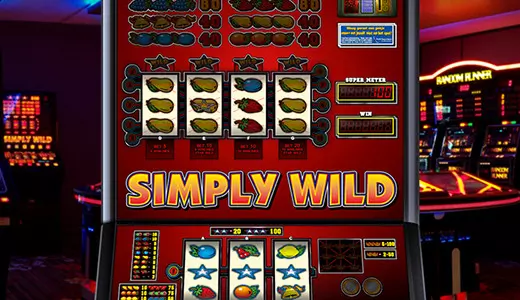
free image 3

Simply Wild Casino Bonus Codes Activation Process

Simply Wild Casino Bonus Codes Conditions

Limits, Time Management And Responsible Gaming

Responsible gaming is not just "playing less." It is primarily: choosing in advance how you want to play, and sticking to it even if your mood changes. In 2026, you will increasingly see tools such as session timers, breaks, and budget limits. Use them as if they were normal settings, just like sound or speed.

Imagine you start with the idea "I'll only play for ten minutes," but after twenty minutes, you realize you've lost your plan. This often happens, even to experienced players. That's why it's better to see limits not as advice, but as an automatic brake. You turn it on before you start, so you don't have to negotiate with yourself later.

Set Daily And Weekly Limits

Choose limits that truly fit your life. A daily limit is useful for spontaneous sessions, but a weekly limit prevents you from adding up small sessions to something big. It's better to start a bit tighter and expand later, than the other way around.

If you find it difficult to choose an amount, link it to your routine. Imagine you only play on Fridays and Sundays. Then you can divide your limit over those moments, so you're not "out" halfway through the week. Many players only set a daily limit and only later realize they're doing a little more each day.

Keep it simple: one limit for money, one for time. And adjust after a week of evaluation, not after one emotional session.

Use Time-Out Or Self-Exclusion

Time-out is a short break that helps you step out of the flow. Self-exclusion is more serious: you consciously choose a longer period without access. Both are useful, but at different times. Time-out is good if you notice you're lingering too long. Self-exclusion is appropriate if you consistently ignore your own boundaries.

Imagine you notice that after a loss, you start playing faster and choose higher stakes. That's a classic pattern. A time-out interrupts it. Many players first try "willpower," but willpower works poorly when you're already stimulated. Tools work better because they don't argue.

The most important thing is that you set these options when you are calm. Not in the middle of a session, but beforehand, as part of your plan.

Recognize Signals And Stop On Time

You don't have to be an expert to recognize signals. Pay attention to simple things: you're playing faster than you intended, you're shifting your budget limit, you're getting restless with small fluctuations, or you want to "win back." These are moments to stop, not to push through.

Imagine you hear yourself thinking: "just one more round and then it's good." If you say that sentence three times in a row, it's usually not "just one more," but procrastination. Many players need a stop phrase that does work, such as: "I'll stop as soon as I hear my timer," or "I'll close the game after this bonus, no matter what happens."

Make stopping concrete. Set an alarm, agree on an end time, and then do something else. Don't linger in the lobby.

Play With A Plan In 2026

In 2026, it's less about "more features" and more about "more control." The best plan is simple: choose your goal (relaxation, testing, short session), choose your time, choose your budget, and stick to it. If necessary, practice first in play mode so you can see how your behavior is without financial risk.

Imagine that today you only want to look at a new feature, not play for long. Then your plan is: ten minutes, low stake, one feature check, close. Many players only plan money, not time. But time is often the real pitfall, because you later wonder where your evening went.

A plan doesn't have to be strict. It mainly needs to be clear, so you don't have to improvise later.

Customer Service And Common Problems

Sometimes something gets stuck: a game doesn't load, your payment is pending, or you don't know where your settings are. Then you want quick help, without endless back and forth. A good approach is to contact support with short, useful information: what did you want to do, what happened, and what have you already tried.

Imagine you're playing on mobile and the game stays on a loading screen. If you then only write "it's not working," you usually get standard questions back. But if you report that you've already cleared the cache, that you've tested Wi-Fi and mobile internet, and that it works in other games, then you'll get to a solution faster.

Getting Faster Answers From Support

Keep your message small but complete. Note your device type, your browser or app, the time, and the exact step where it goes wrong. Also add if you saw an error message and what it roughly said (without making a novel out of it). Often, support can then immediately filter: is it a connection issue, an account issue, or a game bug?

If you are dealing with payment or withdrawal, it is smart to have your own overview at hand. Imagine you think a transaction is "gone," but in your payment overview, it is still listed as pending. Then the problem is sometimes not an error, but timing or control. Many players panic precisely because of a lack of status. Reading the status is often half the solution.

Finally: ask yourself one question before you continue playing or try to deposit again. Are you calm and acting according to a plan, or are you trying to push away a problem with more action? Calmly solving usually yields the best outcome.

FAQ

How do you start a practice mode without an account?

On many platforms, you can open a play session from the lobby without immediately filling everything in. Sometimes it works directly in the browser, sometimes via an app-like environment. If you can't start immediately, check if you accidentally clicked "play with balance" instead of practice mode. It helps to first set your language and region correctly and check your browser settings (such as blockers). Make it easy for yourself: start on desktop, test if it loads, and only then switch to mobile if you know everything is working stably.

Can you adjust your stake during play?

Usually yes, but it's smart to do so consciously and not impulsively. You can often set your stake with plus and minus buttons, sometimes with extra options like coin value or number of lines. If you keep changing in the middle of a session, you lose track of your budget and compare rounds less fairly. Therefore, set a base stake, play a short series, and only then adjust. This way, you really see what changes in pace and experience, and you prevent yourself from ending up in "just a little higher."

Why does practicing feel different from playing with money?

Because your attention works differently. Without financial risk, you often play more loosely, faster, and with less tension. With real money, emotions come in faster: wins feel bigger, losses feel sharper, and you are more inclined to deposit more or keep playing. That's why practicing is especially good for learning features and game rhythm, but it's not a perfect simulation of your behavior later. If you want to approach that, use the same time limit and the same betting style in practice mode that you would use later, and really stop when your timer goes off.

What do you do if the game doesn't load on mobile?

Start with the simple steps: switch networks, close all tabs, and restart your browser or app. Then you can clear cache and cookies and check if there's a blocker enabled, such as a strict content filter. If it doesn't work on Wi-Fi but does on mobile internet, it's often a network or settings issue. Also try another browser, as some combinations of updates and settings cause problems. If the problem persists, note the time and the step where it gets stuck, so support can better assess what's going wrong.

How do you set limits that you actually follow?

Choose limits that you can stick to, not limits that you just "like." Start with a time limit per session and a budget limit per week, as these have the most impact on your routine. Turn them on before you start, not halfway through. It also helps to have a fixed closing action: close the laptop, close the app, do something else. Many people fail not because they don't want limits, but because they don't have a plan for when they need to stop. Make stopping part of your ritual, then it becomes easier.

When is verification needed and what do you prepare for?

Verification may be requested when you are dealing with payments or want to withdraw, and sometimes also for security checks. You prepare by keeping your account details consistent and having your basic documents at hand, so you don't have to search last-minute. Pay particular attention to ensuring that your name and payment details match, as this often causes delays. If you do it calmly and early, it feels like a normal step. If you wait until you are already stressed about a payout, the same step suddenly feels much bigger.

How do you prevent yourself from playing for too long?

Use a timer and make it a hard limit. Agree with yourself: when the alarm goes off, you close, even if you're "on a roll." Also, turn on notifications or breaks if available, as these interrupt the flow. It helps to give your session a purpose: testing features, short relaxation, or a fixed series of rounds. Without a purpose, you're more likely to play endlessly. Also ask yourself a simple check question: am I still playing consciously, or am I just reacting to what just happened? As soon as the answer is "reacting," stopping is usually the best choice.

Play Now
🇬🇧 English